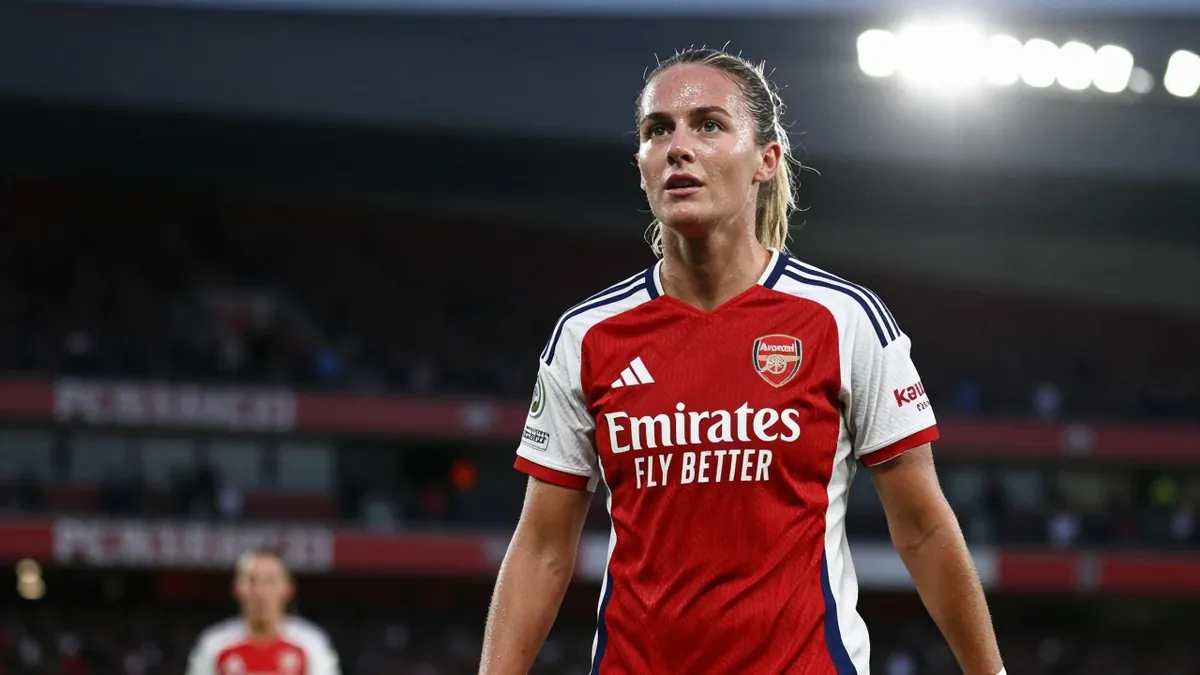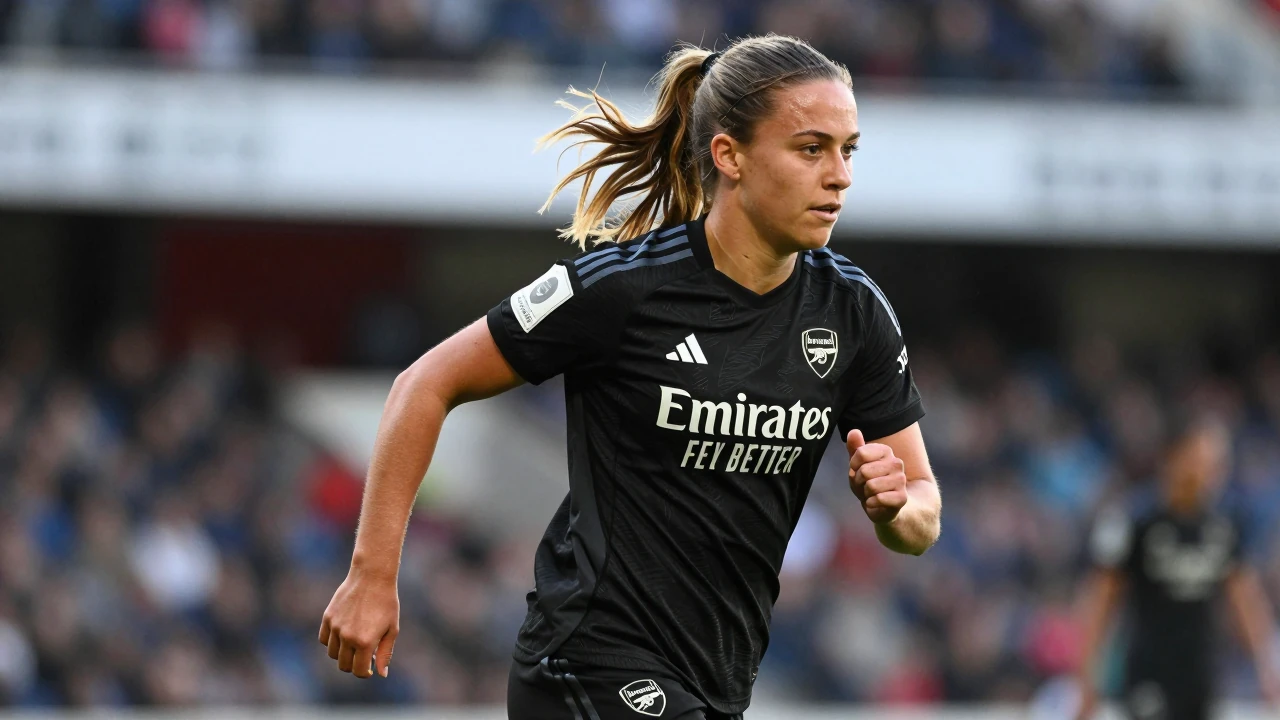
The financial health of Women’s Super League clubs for the 2024-25 season highlights significant disparities. Arsenal Women, despite their impressive attendances at the Emirates Stadium, remain reliant on their parent undertaking, KSE UK Inc, for continued financial support. Their turnover of £21.54 million marked a 42% increase from the previous year, with a total wage bill of £11.32 million, up from £9 million. The club reported a profit of £22,000, compared to a loss of £15,000 the previous year, with broadcasting revenue of £2.02 million and matchday revenue of £5.9 million. However, a large portion of their revenue, £11.9 million, was categorized as 'group income' and commercial revenue was boosted by £1.4 million from Uefa’s Champions League distribution. Brighton, on the other hand, reported a loss of £7.29 million, with a wage bill of £5 million, up from £3.53 million. The club’s financial health is supported by the commitment of Tony Bloom, who has pledged to provide additional funding. Chelsea’s loss of £17.1 million was largely due to the purchase of their former home, Kingsmeadow, for £12.08 million, which helped their men’s team avoid a PSR breach. Everton’s financial situation is dire, with a loss of £1.28 million and a wages-to-revenue ratio of 98%, but their move to Goodison Park is expected to improve matchday revenues. Manchester City’s loss of £2.83 million was partly offset by a return to the Champions League, while Manchester United, operating on a third of Chelsea’s wage bill, made a profit of £397,000. Tottenham’s matchday revenue is 10 times smaller than Arsenal’s, and they are focusing on growing attendances. Crystal Palace, Leicester City, Aston Villa, and West Ham did not publish detailed financial figures, with West Ham’s men’s team revealing a total expenditure of £7.65 million on the women’s team.
Club news
Financial Health of WSL Clubs: Arsenal Leads, Others Struggle
A breakdown of the financial health of Women’s Super League clubs for the 2024-25 season highlights significant disparities, with Arsenal leading and several clubs incurring substantial losses.