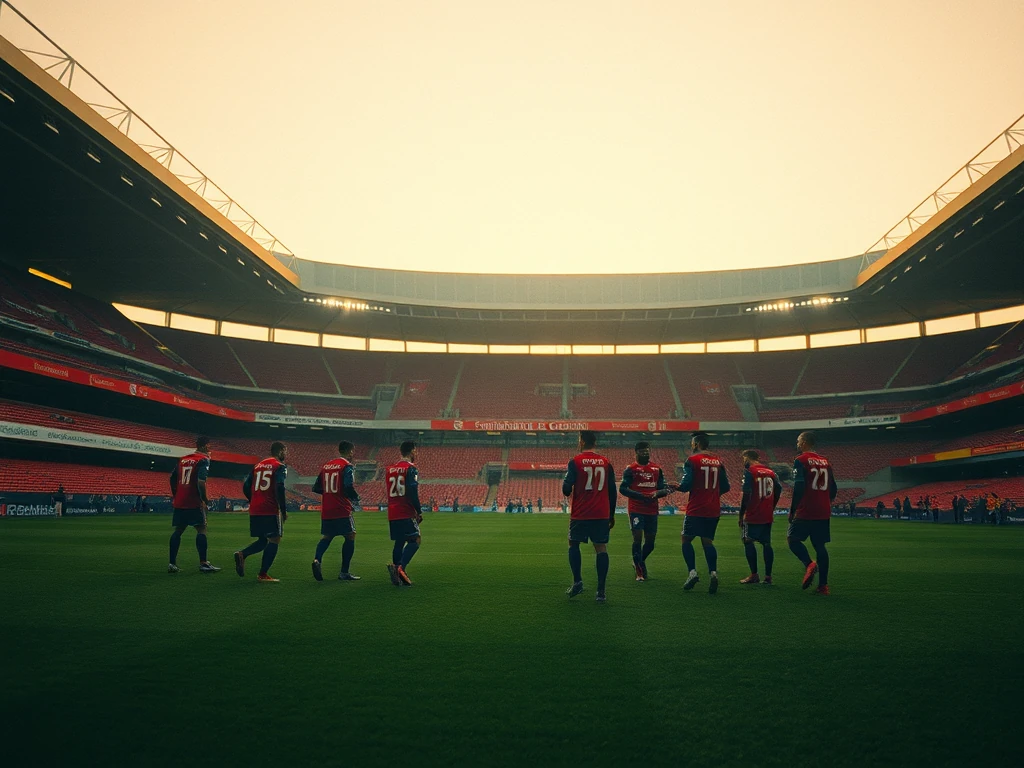

Tactical Nuances: Refining Arsenal Women's Approach for Consistency
Arsenal Women have enjoyed a mixed bag of results in recent outings. As they handle the competitive landscape of the Women's Super League, it becomes imperative to look at their tactical framework to identify areas ripe for refinement. This article aims to analyze their current tactical setup and suggest subtle tweaks that could enhance their overall performance.
Current Tactical Setup
The Gunners have predominantly use a 4-3-3 formation, which has provided them with a solid base to dominate possession and dictate the tempo of matches. This system allows for fluid attacking movements, with wide players like Nikita Parris and Stina Blackstenius stretching the opposition and creating gaps for midfield runners. Additionally, Frida Maanum has been instrumental in linking play.
However, recent performances have highlighted a few tactical shortcomings, particularly in defensive organization and transition phases. Opponents have exploited spaces left in the backline during counter-attacks, and an overreliance on individual brilliance has sometimes overshadowed the need for cohesive team play.
Defensive Cohesion
One of the critical areas for improvement lies in defensive cohesion. Although the back four of Leah Williamson, Katie McCabe, Jill Roord, and Noelle Maritz has significant individual quality, they have occasionally struggled to maintain compactness, especially when the full-backs push high up the pitch. To address this, Arsenal could benefit from adopting a more disciplined approach in their defensive shape. This could involve asking one of the midfielders, likely Maanum or Kim Little, to drop deeper when the full-backs advance, ensuring that the team maintains a robust defensive structure.
Midfield Dynamics
Arsenal’s midfield has been a source of creativity, but there is potential to enhance their effectiveness in controlling the game. The interplay between the central midfielders can sometimes become predictable, leading to a lack of penetration in the final third. Introducing more rotation and movement could open up passing lanes and create opportunities for the forwards. Substituting Little for a more aggressive, box-to-box midfielder when chasing games might also add a different dynamic, allowing for late runs into the box and increasing goal-scoring opportunities.
Tactical Variability
Another suggestion would be to incorporate tactical variability. The Gunners have at times been too rigid in their approach, relying heavily on their established game plan. By introducing variations such as a 4-2-3-1 formation against teams that sit deep, Arsenal could maximize their attacking potential. This formation would allow for more players in advanced positions, increasing the likelihood of breaking down stubborn defenses. Vivianne Miedema, with her playmaking ability, could thrive in a number ten role, while also providing support to the forwards.
Set-Piece Strategy
Finally, enhancing set-piece strategies could yield significant dividends. Arsenal has the aerial prowess with players like Williamson and Roord, yet they have not capitalized on this strength as much as they could. A more organized set-piece routine that includes varied delivery options and movement patterns could make them a more potent threat from corners and free-kicks.
Conclusion
As Arsenal Women aim to stays in the Women's Super League, these tactical adjustments could play a key role in refining their overall performance. By focusing on defensive cohesion, improving midfield dynamics, introducing tactical variability, and capitalizing on set-pieces, the Gunners can maximize their potential and ensure they remain competitive in the league. With the right tweaks, Arsenal Women can regain their winning momentum and continue their quest for silverware.