Introduction
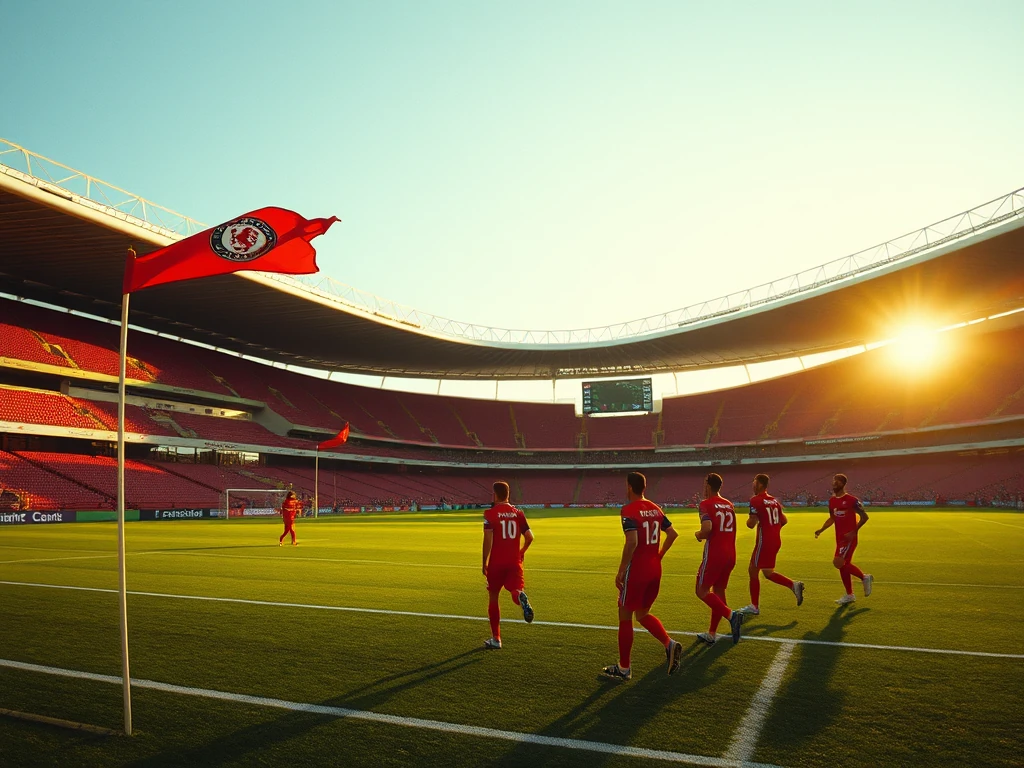
As the Arsenal Women continue to strive for excellence in the Women’s Super League, their recent performances have sparked both admiration and analysis. While the team has showcased moments of brilliance, tactical adjustments could be the key to unlocking even greater consistency and effectiveness on the pitch. Let’s delve into some of the tactical facets that could benefit from refinement and suggest potential tweaks for the Gunners.
Current Tactical Landscape
Arsenal Women have shown a penchant for attacking football, often employing a high-pressing strategy to win back possession quickly. This approach has yielded positive results, particularly against teams that struggle to play out from the back. However, against more resilient opponents, the Gunners have occasionally found themselves vulnerable on the counter-attack, suggesting a need for a more balanced tactical approach.
Midfield Dynamics
One of the most crucial areas for improvement lies in the midfield. While the combination of Kim Little’s creativity and the physical presence of Frida Maanum has been effective, their positioning can sometimes lead to gaps that opponents exploit. Tweaking the formation to a 4-2-3-1 could provide Arsenal with better defensive stability while still allowing for dynamic attacking play. By deploying two holding midfielders, the Gunners could maintain possession more effectively and control the tempo of the game.
Full-Back Contributions
Arsenal’s full-backs, often overlapping to support wingers, have provided width and depth to the attacking play. However, there are instances where this has left the backline exposed, particularly when the wingers fail to track back effectively. Encouraging more disciplined positioning from the full-backs-perhaps by adopting a more conservative approach against counter-attacking teams-could mitigate this issue. This would allow the team to maintain shape and be less susceptible to quick breaks.
Forward Line Cohesion
In the final third, the Gunners possess a wealth of attacking talent. However, the interplay among forwards has sometimes appeared disjointed, particularly when facing well-organized defenses. Introducing more fluid movement and positional rotation among the front three could create confusion for opposing defenders and open up more goal-scoring opportunities. This could involve encouraging players like Beth Mead and Vivianne Miedema to interchange positions more frequently, capitalizing on their technical abilities and movement.
Set-Piece Strategy
Set-pieces represent another area where Arsenal Women could gain an advantage. Although they have displayed creativity during corners and free-kicks, a more structured approach could yield greater rewards. Implementing specific routines tailored to exploit the weaknesses of opponents could enhance their goal-scoring potential from these situations. This not only adds a tactical dimension but also instills a greater sense of confidence in set-piece scenarios.
Conclusion
As Arsenal Women look to solidify their status as contenders in the Women’s Super League, tactical tweaks can play a pivotal role in enhancing their overall performance. By refining their midfield dynamics, adjusting full-back roles, fostering cohesion in the forward line, and improving set-piece efficiency, the Gunners can maximize their strengths and minimize vulnerabilities. With the right adjustments, the path to success becomes clearer, promising an exciting future for the team and its supporters.