Former Arsenal Women midfielder Lia Walti has publicly criticized the professional standards in Italian women's football, explaining her swift return to the Women's Super League. The Switzerland captain, who left Arsenal for Juventus in 2025, told reporters this week that the differences in environment were "extreme" and that she missed feeling valued as a footballer.
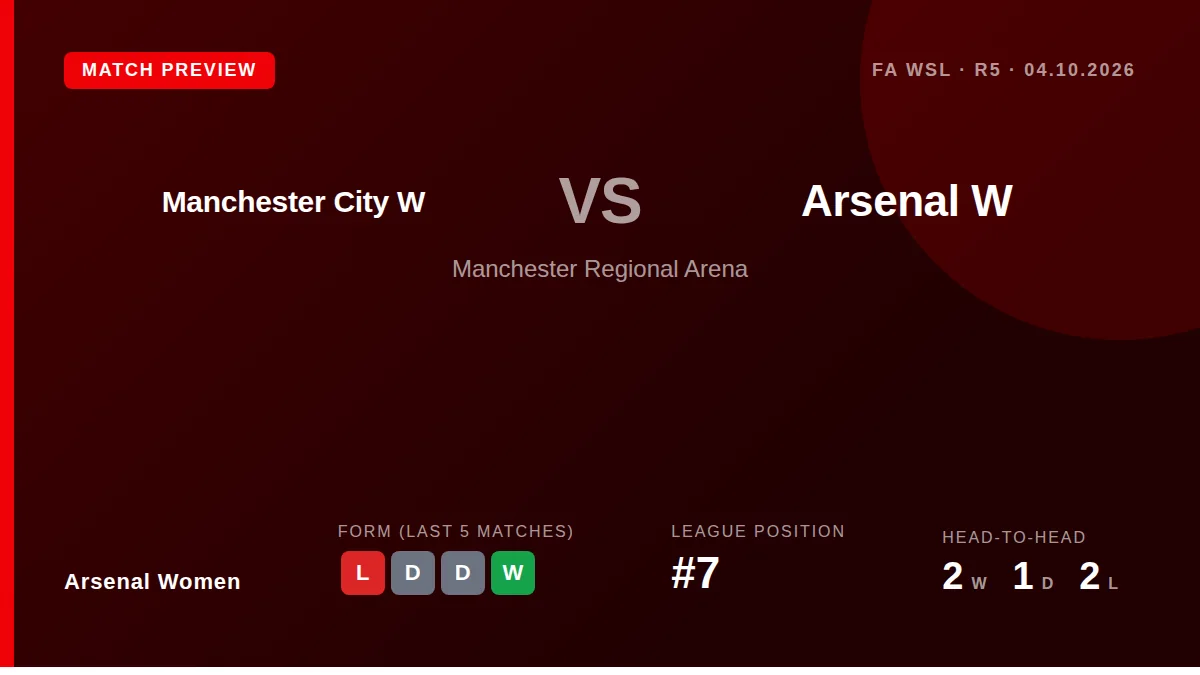
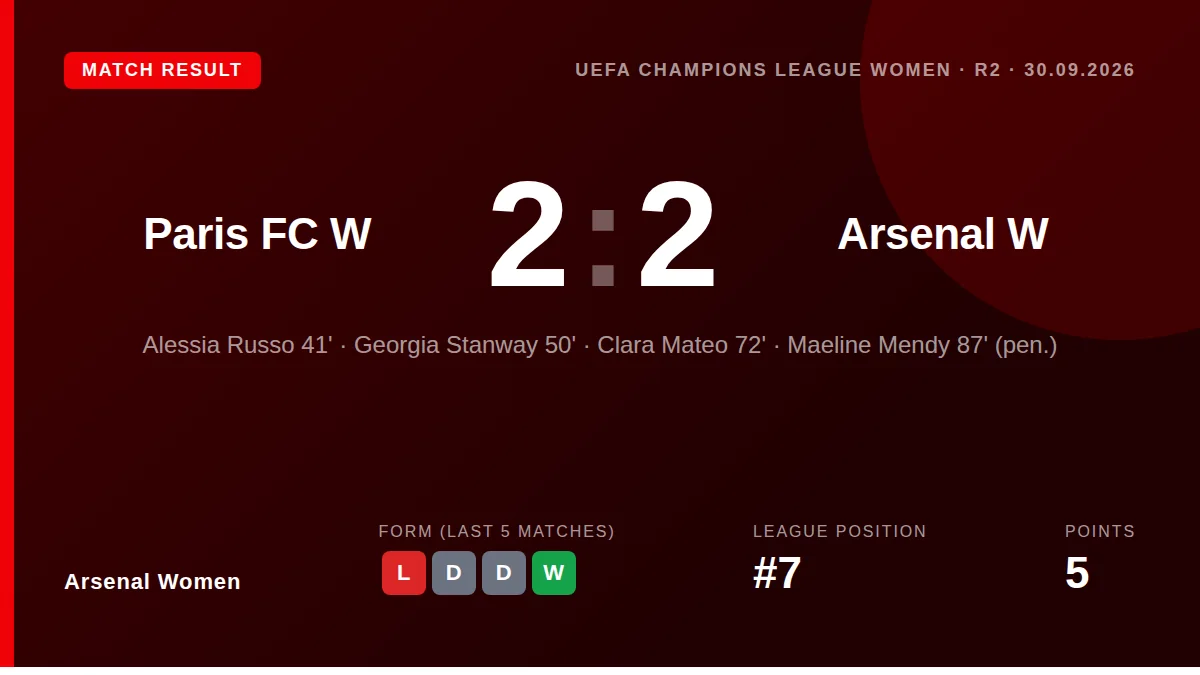
Walti spent seven successful years with Arsenal, making 183 appearances and winning the Champions League and WSL titles. Her experiences abroad have thrown the WSL's progress into sharp relief. Arsenal finished second in the final 2025 WSL table with 51 points from 22 games, a position built on a strong professional foundation. Their recent form of WWWDW and a goal difference of +39 shows the competitive environment Walti praised.
Lia Walti was careful not to speak too negatively but described a clear gap in standards. "It's more that it's just the reality that football in England, in the WSL, has a standard which is not comparable with any other league," she said. She pointed to poor pitch quality, inadequate television coverage, and a lack of fan culture as major issues. Walti noted that even games at Juventus felt empty, a stark contrast to the atmosphere in England, where she helped grow the game.
Her return to England saw her join Brighton last month. Walti said her time in Italy made her appreciate the structures in the WSL more deeply. "I missed the feeling of being valued as a footballer, feeling like we're getting the full support we needed," she added. This context makes Arsenal's consistent performance, finishing just four points behind champions Manchester City W last season, even more significant.
Walti's comments highlight the WSL's position as a global leader. She argued that many talented players are lost in other countries because they lack the professional environments needed to thrive. Investment in facilities and broadcasting is not matched elsewhere. "You have to do the first step - invest money for all those things before you get something back," Walti explained. She believes the WSL's model of forcing the game onto people through visibility has been key to its growth.
This professional edge is reflected in the league's competitive nature. Fans can review how this intensity plays out across the season on our standings page, which tracks the tight margins at the top.
After her challenging year, Walti sought a club with a clear commitment to the women's game. Brighton's plans for a new purpose-built stadium and their existing training base convinced her. "I had a pretty big trust in Brighton before we had the conversations because I had been in the league and seen what the club was doing," she stated. Player feedback about the club's investment was uniformly positive, sealing her decision.
Walti's move shows the importance of club infrastructure in attracting top talent.
Walti's career arc, from key Arsenal player to advocate for WSL standards, reinforces the club's role in driving professionalism. Her success in North London, contributing to multiple trophies, was built on the environment she now champions. Her public critique serves as an indirect endorsement of the foundations laid during her time at the club. It also highlights the ongoing challenge for leagues outside England to catch up, a gap that benefits WSL clubs in the transfer market. For detailed statistics on the Gunners' potent attack and solid defense, visit our stats hub.